
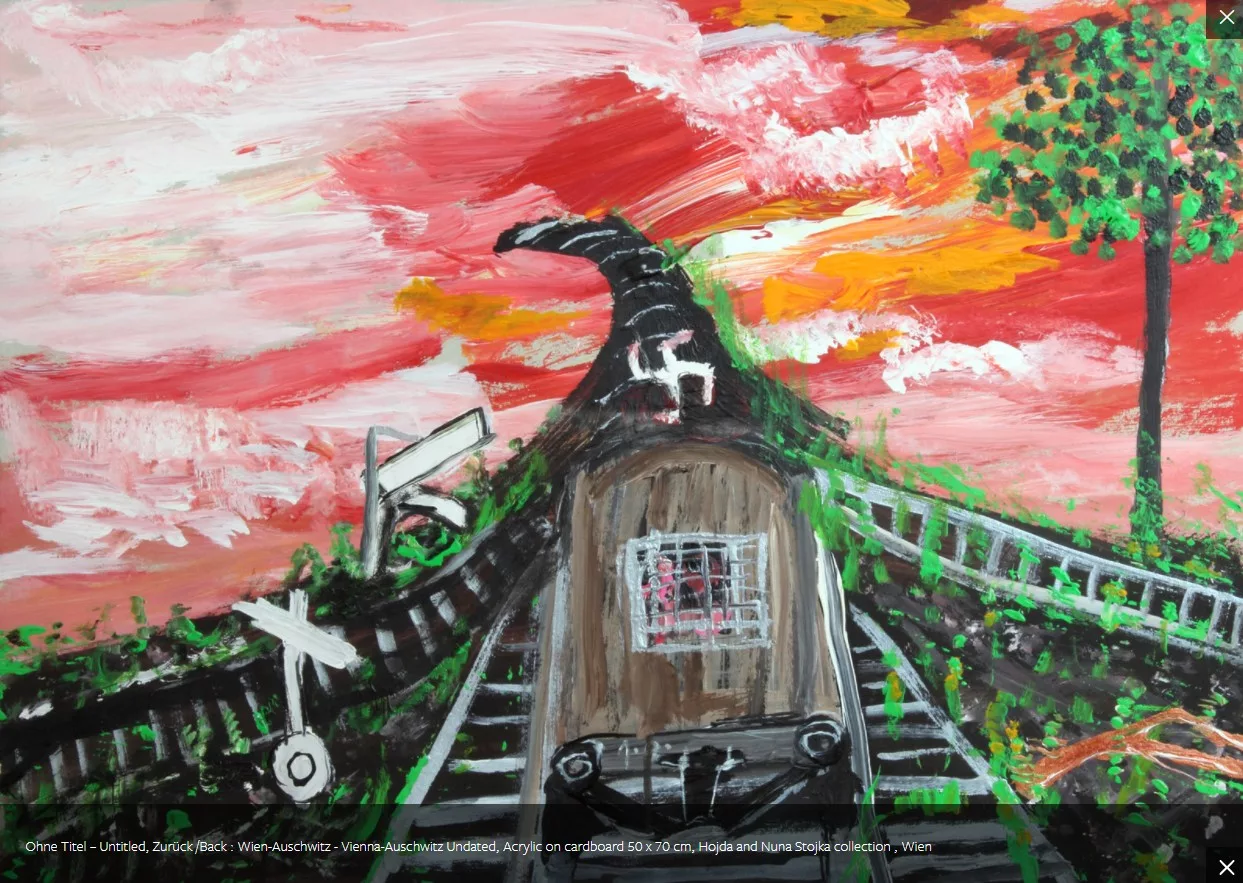
It fills our hearts with sadness and grief,
The sight of the piles of hair and teeth,
From the poor souls who suffered every day,
The children never heard the word play.
Never knowing when their turn would come,
And not having anywhere to run,
The Jews really believed they were going for a shower,
Then the black smoke would pour from the tower.
But the Roma and Sinti people knew this was wrong,
They had to be dragged kicking and screaming through that door,
Never to see daylight anymore,
Hitler gave orders not to take any data, he didn’t want to know,
This is why five hundred thousand is so low,
The excerpts say that one point five million is closer to the truth,
So many of them were taken in their youth,
The Gypsies were lower than vermin, Hitler was heard to say,
Their fate from the beginning was as plain as day.
Because their not including in the count, doesn’t mean they weren’t there,
We will always remember them, because we will always care,
They passed their sprit through to the generations that are here,
Strength, survival and true grit, without the fear.
But the tattooed number didn’t just stay on their skin,
Generations that followed, had the satisfaction of knowing,
Hitler didn’t WIN
Chris Penfold Brown
FFT’s trainer, Chris, wrote this poem for many reasons, one of which was to highlight the fact that although the Holocaust is the only compulsory historical event within the Key Stage 3 history curriculum, it is up to the school’s discretion whether to discuss the tragic genocide of over 250,000 Roma and Sinti people. This remains the case, even after cross-party parliamentary groups called on the Secretary of State for Education to include Roma and Sinti in Holocaust teachings in 2022.
The compulsory teaching of Holocaust history, combined with the absence of a comparable requirement to teach the Roma and Sinti genocide, creates a structural disadvantage for Roma pupils by making their community’s history less consistently represented in education. This is just one example of the indirect (and sadly also often direct) discrimination faced by Gypsy, Roma and Traveller pupils, which in part leads to the educational inequalities highlighted in FFT’s 2023 briefing paper.
So what can schools do to improve outcomes for Gypsy, Roma and Traveller children?
Improving educational outcomes is not only about attendance figures, attainment or exclusions. It is also about whether pupils feel recognised, whether families trust the school, and whether the curriculum reflects the diversity of the communities it serves.
There are practical steps schools can take.
Include Roma and Sinti in Holocaust teachings
The genocide of Roma and Sinti people is an integral part of Holocaust history. It should not be treated as an optional footnote or an afterthought.
Schools have the discretion to include this history in their teaching, and they should use that discretion. Doing so gives pupils a more accurate understanding of the Holocaust and challenges the idea that some victims’ experiences are less important than others.
FFT has developed a Holocaust Resource Pack for teachers, including classroom activities to support teaching about Roma and Sinti persecution and genocide.
Build staff understanding through targeted training
Schools may be committed to inclusion while still lacking the knowledge, confidence and practical tools to engage effectively with Gypsy, Roma and Traveller pupils and families.
FFT’s Education Inclusion Training supports schools to develop that understanding and translate it into practice.
The training can help schools to:
- Improve attendance and reduce persistent absence
- Strengthen pupil engagement and participation
- Reduce exclusions and behavioural disparities
- Improve relationships with families and communities
- Enhance inclusive teaching and learning practice
- Support safeguarding and pastoral effectiveness
- Improve equality and inclusion compliance
- Strengthen school culture and belonging
- Improve long-term educational outcomes
- Support whole-school inclusion strategies
You can get in contact with the training team at training@gypsy-traveller.org to learn more.
Gypsy, Roma and Traveller History Month
Gypsy, Roma and Traveller History Month is an opportunity for schools to celebrate the histories, cultures and contributions of Gypsies, Roma and Travellers.
But representation should not be confined to one month.
Schools should consider how Gypsy, Roma and Traveller histories and contemporary experiences can be incorporated throughout the curriculum, rather than presenting them as an occasional topic or a cultural add-on. This helps challenge stereotypes and gives pupils a broader understanding of the communities that make up Britain.
Tackle Gypsy, Roma and Traveller school bullying
FFT’s advocacy and casework regularly hears from parents who report that their children have experienced bullying at school, with concerns that the school has failed to respond effectively.
In some cases, the consequences can be severe: children may disengage from education, experience worsening attendance, or face disciplinary action following incidents in which they were themselves being bullied.
The Anti-Bullying Alliance’s 2020 report documents experiences of bullying affecting Gypsy, Roma and Traveller children and sets out recommendations for schools. You can use their Gypsy, Roma and Traveller anti-bullying audit tool here.
Schools should ensure that:
- Reports of racist or discriminatory bullying are taken seriously and acted upon.
- Staff understand the forms that anti-Gypsy, Roma and Traveller prejudice can take.
- Behaviour policies do not inadvertently punish children for reporting, responding to or being affected by bullying.
- Families know how to raise concerns and can expect a meaningful response.
- Bullying is not dismissed as “banter” or treated as an inevitable part of school life.
Make the change
Schools have a significant role in shaping how children understand themselves, their communities and the wider world.
When Roma and Sinti history is omitted from Holocaust teaching, when anti-Gypsy, Roma or Traveller bullying is not addressed, or when families struggle to have their concerns heard, the message can be that these experiences matter less.
That is why inclusion must mean more than equal access to a classroom. It must also mean equal recognition, equal respect and equal protection once pupils are there.
If your school wants to strengthen its approach to Gypsy, Roma and Traveller inclusion contact the training team at training@gypsy-traveller.org.